How to Buy Less, but Choose Better
Stop confusing discounts with value. Learn how to avoid impulse purchases, recognize quality, and buy things you'll actually use.
- Words
- The Editors
- Reading
- 4 min
- Published
The problem isn't always how much you spend. It's how little thought goes into what you buy.
A full closet. Nothing to wear.
A drawer of skincare. Nothing that quite works.
Another package arrives. The excitement lasts a day.
We don't always buy because we need something. Sometimes we buy because we're bored, influenced, or convinced that a new product will make life slightly better.
And sometimes it does.
The problem is knowing the difference.
Wanting Something Isn't the Same as Needing It
A good product solves a problem. A tempting product creates a reason to buy it.
Marketing is exceptionally good at making that reason feel urgent.
Limited editions. Flash sales. Products everyone seems to own.
But urgency isn't evidence of value.
Before buying, ask one question:
What will this change in my everyday life?
If you can't give a specific answer, you may be buying the idea of the product rather than its usefulness.
That doesn't make the purchase wrong. Pleasure is a valid reason to spend money.
Just be clear about what you're paying for.
Stop Shopping for Your Imaginary Self
We all have one.
The version of ourselves who wakes up early, cooks elaborate meals, exercises daily, and wears the clothes currently sitting untouched in the wardrobe.
Buying equipment for that person feels like progress.
It usually isn't.
A yoga mat doesn't build a routine. A beautiful notebook doesn't create discipline. An expensive kitchen appliance doesn't make someone enjoy cooking.
Buy for the habits you have. Upgrade for the habits you've already built.
If you're starting something new, begin with what you own or a modest alternative. Let consistent use justify the investment.
Cheap and Good Value Are Not the Same Thing
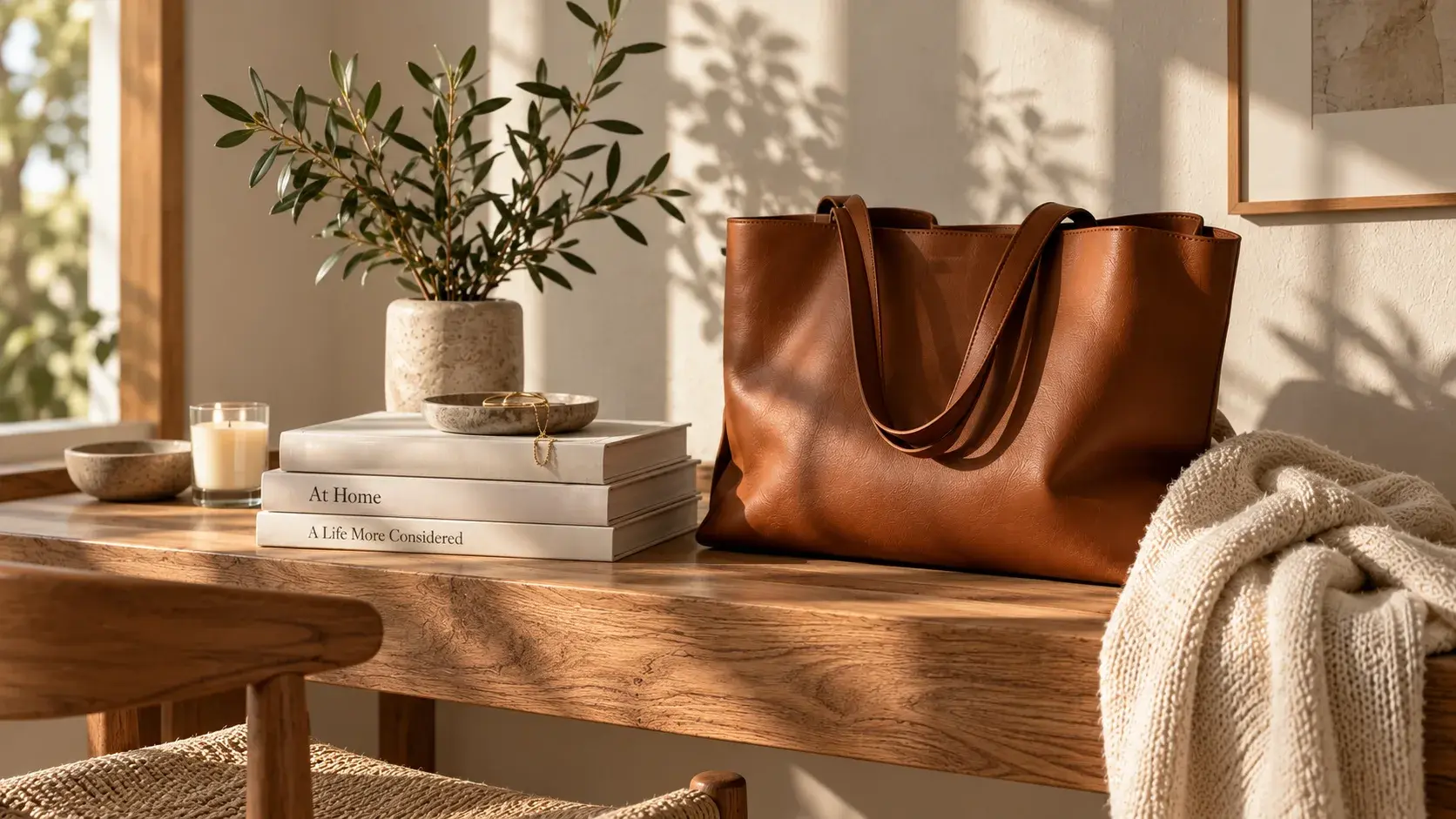
A $30 bag used ten times costs $3 per use.
A $120 bag used three hundred times costs $0.40 per use.
The more expensive bag offers better value in this example—not because it costs more, but because it gets used.
That's the distinction.
Price tells you what you pay today. Value depends on what you get over time.
Consider:
- Frequency: How often will you actually use it?
- Durability: Will it hold up under normal use?
- Maintenance: What will it cost to care for?
- Replacement: Will you need to buy it again soon?
Cost per use isn't a perfect formula. Some things matter deeply even when used rarely.
But it exposes a common mistake: confusing a low price with a smart purchase.
Quality Is in the Details
An expensive label isn't proof of quality.
Neither is a long list of features.
Look at what affects performance.
For clothing, inspect fabric, stitching, fit, and care requirements. For furniture, examine construction and materials. For electronics, consider software support, repair options, and battery replacement.
Read reviews that describe what happened after months of use, not just how impressive something looked on arrival.
And don't ignore maintenance.
A product that requires care you won't provide isn't a practical purchase, however beautifully it's made.
A Discount Doesn't Save Money You Weren't Going to Spend
A 40% discount can make an unnecessary purchase feel responsible.
It isn't.
You still spent the remaining 60%.
Sales are useful when they lower the price of something you already intended to buy. They're less useful when they introduce a need you didn't have.
Keep a wishlist. Wait before buying nonessential items. If you still want something after the initial excitement fades, evaluate it properly.
The goal isn't to eliminate impulse purchases.
It's to stop letting urgency make decisions for you.
Know When Not to Upgrade
Newer doesn't automatically mean better for you.
A faster laptop is irrelevant if your current one handles everything you do. A new handbag isn't an improvement if the old one still fits your needs.
Before upgrading, identify the limitation you're trying to fix.
If you can't name one, you may not need an upgrade.
You may simply want something new.
Again, that's a choice you're allowed to make. Just don't confuse novelty with necessity.
The Better-Buy Checklist
Before checking out, ask:
- What specific purpose will this serve?
- Will I use it in my actual routine?
- Is the quality appropriate for the price?
- What will ownership cost over time?
- Would I buy it without the discount or social influence?
- Do I already own something that works?
You don't need to overthink every purchase.
But expensive mistakes usually deserve more than thirty seconds of consideration.
Buy With Intention, Not Restriction
Buying less isn't a competition to own the fewest things.
And buying better doesn't mean buying luxury.
It means knowing where your money goes, what you value, and which products genuinely earn their place.
Sometimes that's an expensive item you'll use for years.
Sometimes it's the affordable option.
Sometimes it's nothing.
The point isn't to stop wanting things. It's to stop confusing wanting with choosing.
Editorial note: This article offers general guidance and does not recommend specific products. Pick Kindly has not tested any products for this article. No brand paid for placement in this article. Read how we choose what to recommend.
Spotted an error or have a question about this piece? Write to the editors.